Humanitarian Aid Icons & Graphics Review
As a graphic designer who has spent the last decade refining brand identities for non-profits and healthcare startups, I approach every new graphic design asset with a critical eye. It is not enough for an illustration to look pretty; it must function within the complex ecosystem of modern marketing. Recently, I evaluated the Humanitarian Aid Production Icon Bundle for a potential client project involving a medical supply logistics firm. My goal was to determine if this collection could serve as a reliable foundation for their brand identity and marketing visuals.
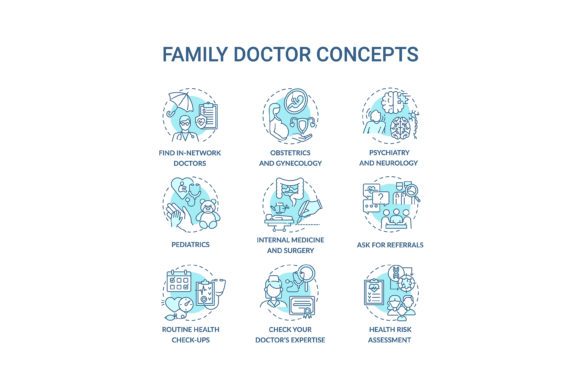
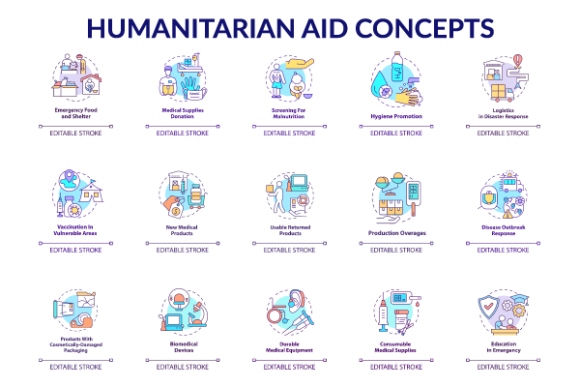
The first impression of this bundle is one of clarity and purpose. The Icons feature thin line color illustrations that strike a delicate balance between technical precision and human warmth. In the context of humanitarian aid, visual language must convey trust without appearing sterile or overly clinical. These vector isolated outline drawings achieve that mood effectively. The editable stroke feature is particularly noteworthy, allowing designers to adjust line weights to match specific typographic pairings. For a designer working on tight deadlines, this flexibility is invaluable.
Integrating Thin Line Illustrations into Brand Identity
When considering how these Graphics perform in real design situations, versatility is the key metric. I tested the assets across several mediums relevant to my client’s needs. For logo design, the clean outlines provided a sophisticated base that did not overpower the company name. However, I found they worked even better as supporting elements in a broader design bundle.
In packaging design, specifically for consumable medical supplies, the icons served as intuitive visual cues. A simple icon representing vaccination or medical inventory can transcend language barriers, which is crucial for vulnerable areas where literacy rates may vary. The thin line style ensures that these details do not clutter the label, maintaining a modern design aesthetic that appeals to donors and partners alike.
For digital applications, such as web design and social media graphics, the scalability of the vector files is a major advantage. Whether used in a hero section of a landing page or as a small accent in an Instagram post, the clarity remains intact. I also explored their potential for print-on-demand merchandise. When applied to tote bags or t-shirts, the minimalist nature of the illustrations creates a subtle, wearable statement rather than a loud advertisement, which aligns well with current trends in ethical fashion and awareness campaigns.
Strategic Placement and Visual Hierarchy
Understanding where to place these assets is just as important as selecting them. In my review, I found that the Humanitarian Aid Production Icon Bundle excels in large layout areas where white space is abundant. They act as excellent decorative accents that guide the viewer’s eye without demanding immediate attention. This supports a strong visual hierarchy, allowing headlines and calls-to-action to take precedence while the icons provide contextual depth.
However, there are scenarios where caution is required. Due to the thin line weight, these icons can lose definition when scaled down significantly. I would advise against using them in crowded layouts or on complex backgrounds where contrast is low. For minimalist branding projects that rely on extreme simplicity, ensure that the color palette provides sufficient separation between the icon and the background. In professional corporate materials, these icons should be used sparingly to maintain a sense of seriousness and authority. Overuse can make a design feel cluttered or informal, which might undermine the visual trust essential in the healthcare sector.
Practical Designer Notes for Commercial Use
Before integrating any new digital product into a client deliverable, rigorous testing is mandatory. Here are my practical notes for designers considering this bundle:
- Contrast Testing: Always test the icons in black and white first. If they do not hold up in monochrome, they may struggle in low-ink printing scenarios or grayscale documents.
- Background Compatibility: Check contrast on both light and dark backgrounds. The thin strokes may disappear on busy textures, so consider adding a subtle glow or background shape if necessary.
- Size Verification: Preview the assets at small sizes, such as favicons or footer links, and large sizes, such as poster headers. Ensure the editable stroke allows for thickening lines if needed for visibility.
- File Format Inspection: Verify the quality of the SVG design files for web use and PNG design files for quick mockups. Inspect PNG transparency to ensure no unwanted halos around the edges.
- Typography Pairing: Compare the icons with various font styles. They pair exceptionally well with clean sans serif fonts but can also add interest to editorial layouts using serif fonts. Avoid overly ornate script fonts that might compete with the detailed lines of the illustrations.
- Licensing Confirmation: Always confirm the commercial license terms before using the assets for a client project or Etsy product. Ensure the usage rights cover sublimation design or Cricut project outputs if you are creating physical goods.
Enhancing Engagement Across Platforms
The emotional appeal of these icons cannot be overstated. In editorial design for blogs or newsletters, they break up text and make complex information about medical supplies more digestible. For Canva template creators, this bundle offers a ready-made solution for users who need professional-looking healthcare graphics without starting from scratch.
For small business branding in the handmade or craft sector, these icons can be adapted for sticker design or printable design products. Imagine a set of planner stickers for healthcare workers or educational materials for community health workshops. The creative marketplace is saturated with generic clipart, but this bundle offers a specific narrative focus on humanitarian aid and vaccination, making it a niche yet powerful tool for targeted campaigns.
Ultimately, the Humanitarian Aid Production Icon Bundle is a robust addition to any designer’s toolkit. It supports commercial design needs by providing high-quality, editable vectors that adapt to various mediums. From product mockup presentations to final marketing visuals, these assets help create a polished, professional look. By understanding their strengths in clarity and their limitations in small-scale applications, designers can leverage this bundle to enhance audience engagement and reinforce brand consistency. Whether you are a content creator, a brand owner, or a freelance designer, this collection offers the flexibility and professionalism required for impactful visual communication.